
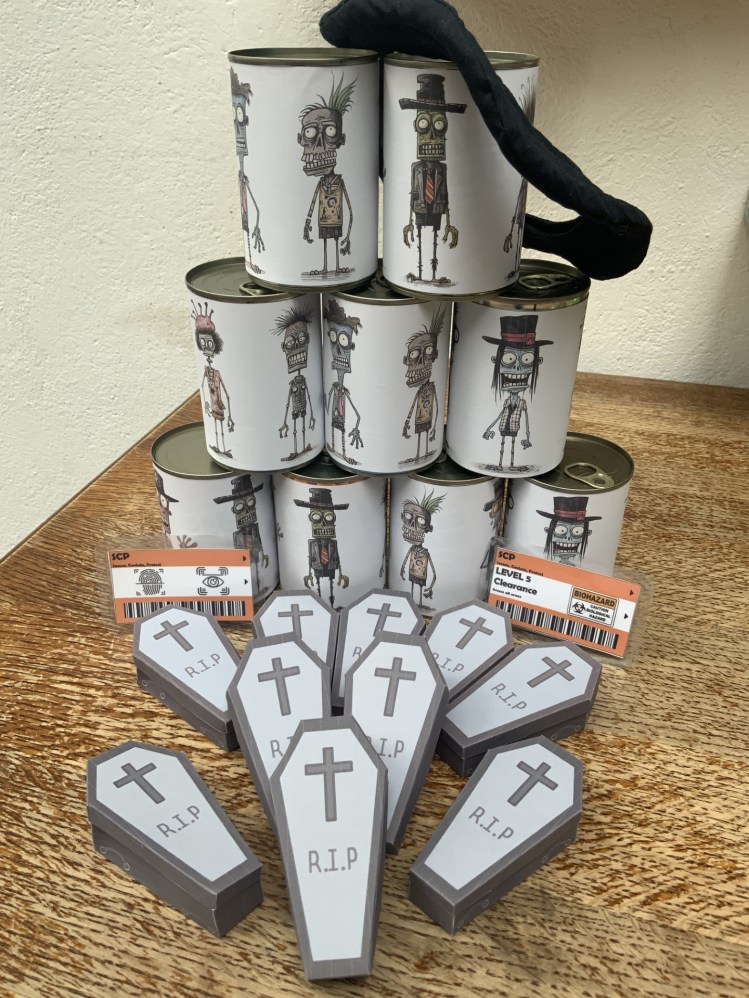
How to entertain 9-year-old boys for 4 hours?
With a zombie-themed Active Escape Party — blending outdoor games, teamwork, and storytelling.
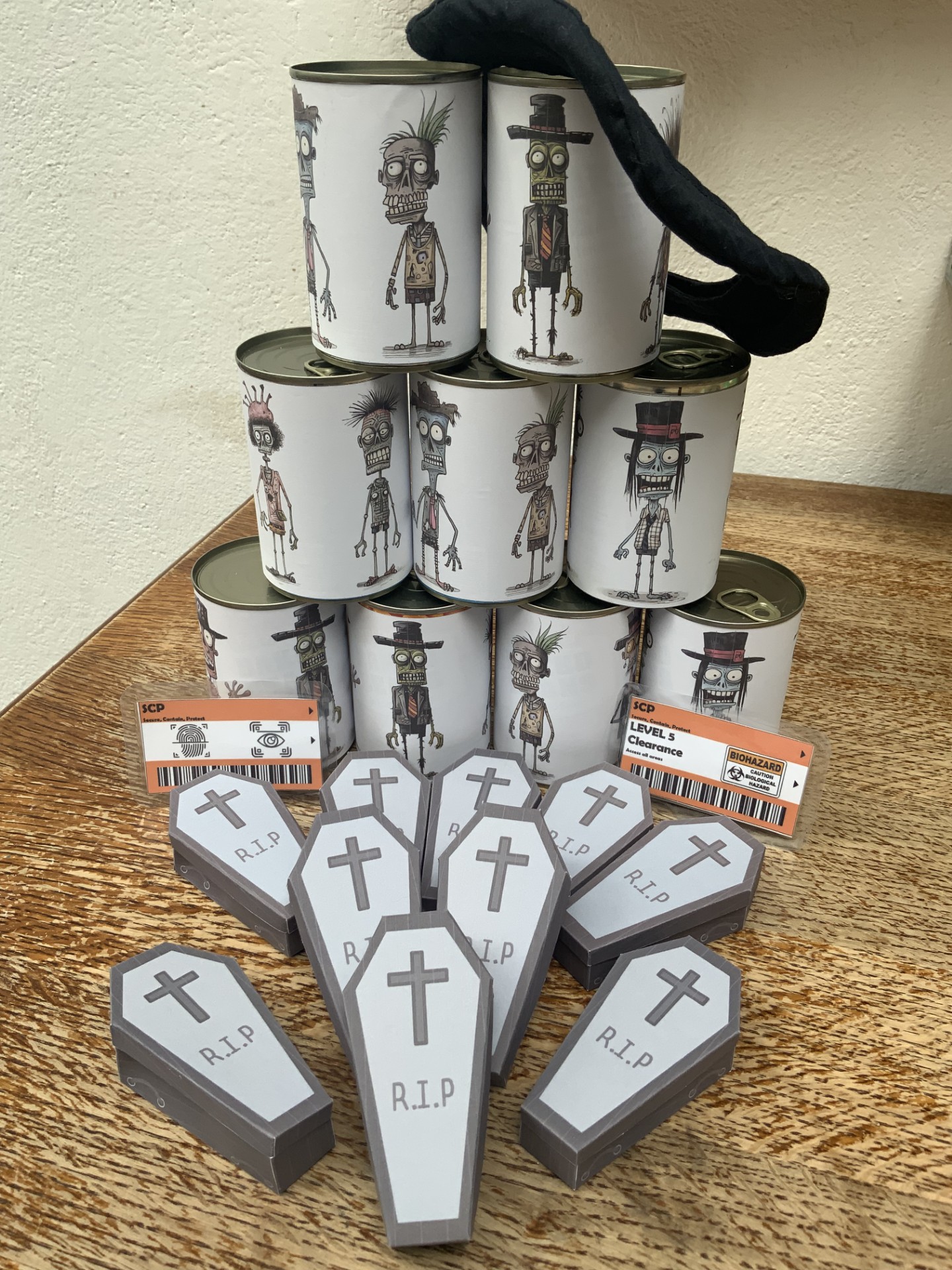
For about three weeks, my brain has been hijacked by Zombie party planning.
Nowadays, kids’ birthdays come with big expectations — and can sometimes feel like a competitive sport. I’m all for putting in effort to make an occasion memorable, but I’m less keen on it being about boatloads of presents, and I don’t have the budget for high-expense venues. So, as my son’s birthday approached, I started to consider what options I had for a 9-year-old’s party.
While I love escape rooms, my son has enough trouble sitting still at school — asking him and his friends to concentrate on traditional puzzles for his birthday just wasn’t going to work. At the same time, I wasn’t about to trust them with four hours of unstructured free play that might spiral into chaos.
Free play is a wonderful thing — but when you’re the adult responsible, especially in a second language you’re not fluent in, figuring out when to step in (and when not to) is a delicate balance.
So instead, I leaned into the chaos and spent three weeks planning our Zombie-themed Active Escape Party.
Did it go exactly as planned? No. Are we exhausted and slightly mentally bruised? Absolutely. But it was a resounding success.
There were moments that felt eerily like something from Lord of the Flies — chanting and battle cries around the campfire — but it was also fascinating to watch the boys self-regulate as a group. Exhausting, yes. Worth it? 100%.
What is an active escape party?
An Active Escape Party is kind of like an escape room, but outdoors and on the move. A blend of physical games, group challenges, and storytelling, with no locked rooms or puzzles that require too much sitting still.
I wanted something that mixed high-energy fun with some cooperation, light problem-solving, and imaginative play, without relying on tech or expensive venues.
Think: scavenger hunts, mini missions, mystery-solving, and physical challenges all tied together by a loose story (in this case: curing a zombie virus).
How it all came about
The whole thing was almost accidental. Last year, we invited 6 boys, but only 4 showed up. They spent 6 hours building pillow forts, flinging water balloons, shooting bows, and running wild on a DIY quad track my husband mowed into the long grass. It was gloriously chaotic.
Even during that chaos, the shrieking red-faced boys were still creating stories to propel the games forward and keep them engaging.
This year, after attending a string of ‘contained-fun’ parties, we briefly looked into renting a play space or hiring a bouncy castle. But the prices? Let’s just say that made our decision easier.
So we gave our son a choice:
- A big party with the whole class (21 kids)
- Or a smaller party at home with a better present
He chose ‘small’ and zombie-themed — probably helped by the fact we’ve been reading The Last Kids on Earth series. Once I mentioned zombies, it was game on.
Planning the Zombie escape
I knew chaos was coming, but I wanted to channel it — not fight it. A few guiding principles helped:
- No killing zombies: Like in the Last kids on Earth books, zombies were once people, I did not want to promote violence. So the aim was to cure, not destroy.
- No winners or losers: Everyone works together toward a common goal — sequencing the zombie virus DNA to create a cure.
- Minimal waiting around: Group games where everyone could move, collect, or hunt.
- Alternate energy levels: Big games > focused task > big game > repeat.
- Know your audience: These are 9-year-old boys. Saturday. High sugar. Low attention span.
The structure (more or less)
We ran the party over 4 hours, loosely structured like this:
- 1.5 hours of games (one every 10–15 minutes)
- 0.5 hour food break
- 1.5 hours of more games
- 0.5 hour of free play (mostly fire poking and wrestling)
I created a mix-and-match set of zombie games, so we could pivot depending on mood, energy levels, or small acts of rebellion.

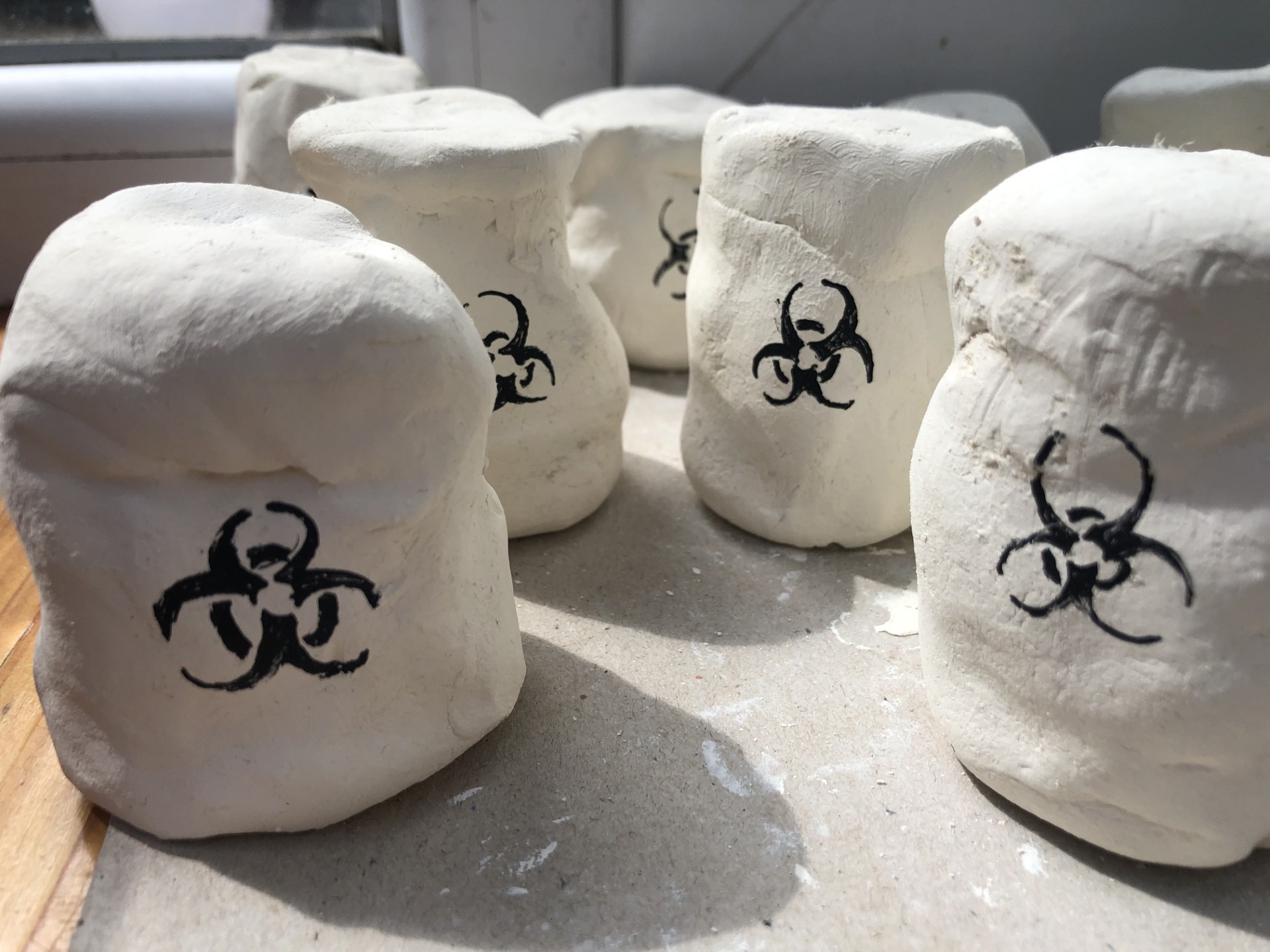
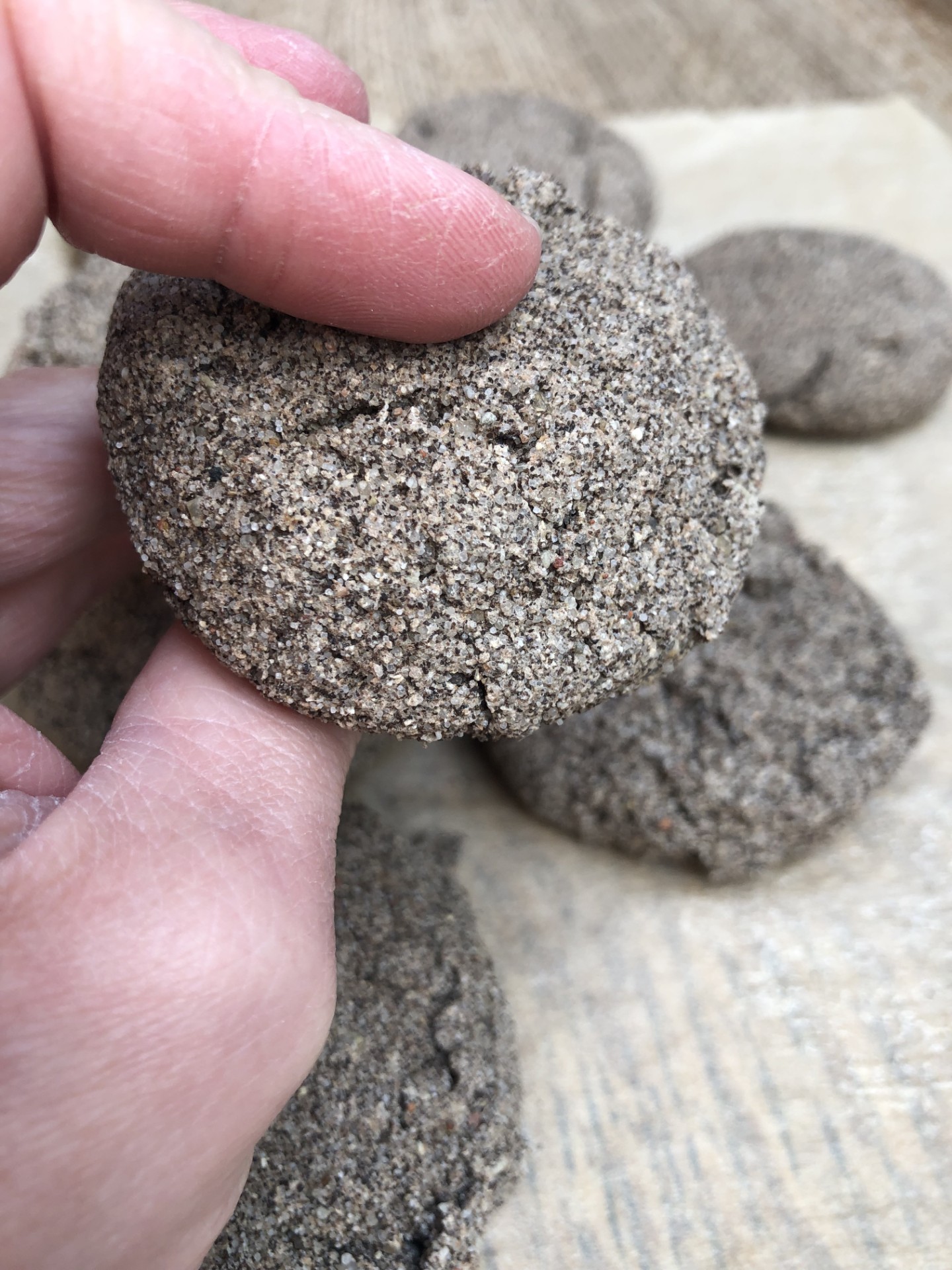
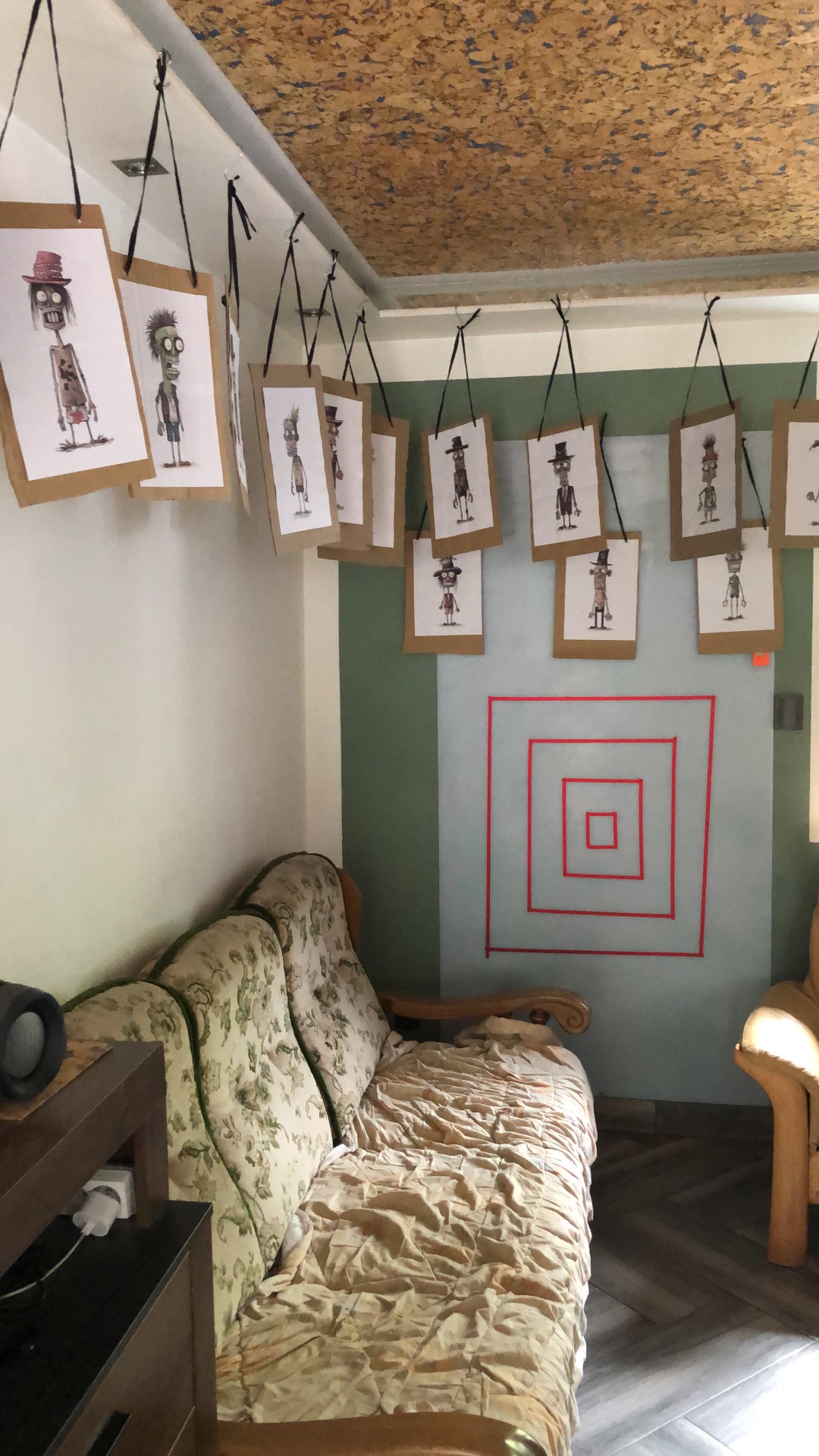
⚠️ I did way more prep than we actually used, but if you’d like to skip at least some of that and run your own version, I’ve made the storyline and game ideas available in a free PDF you can download.
What worked (and what we learned)
- Hunting, finding, and smashing things = massive hit
- Defined zones help keep the game sequence flowing and ‘herd’ the kids towards the campfire area
- Let them self-regulate during free play — we stepped in only when absolutely necessary (and even then, just a quick nudge)
- Mind your adult-to-kid ratio; we had two adults for 9 boys. There are plenty of guidelines on the internet, but in an informal setting, I would err on the side of caution.
Was it perfect?
No.
Did I stress needlessly over details? Yes.
Did they notice the 30% that went “off-script”? Not at all.
Would I do it again? Sigh… yes. In fact…
Next year…..
We said “never again,” but I’m already plotting a DIY geocaching active escape for a smaller group. We’ll set up a route the day before, hide clues, and let the kids work their way to a final destination: a campfire with sausages before home time.
It’ll be away from the house and hopefully even more tiring as there is an actual route to complete. But I will also limit the numbers to 4-6 boys in total.
Good luck
If you decide to host your own, just don’t forget the snacks, firepit, or most importantly your mental resilience.
 Nicole's Professional Jumble